The 2026 Workforce Revolution: How AI-Driven Personalization is Redefining the Future of HR
The Workforce Revolution: How AI-Driven Personalization is Redefining HR in 2026
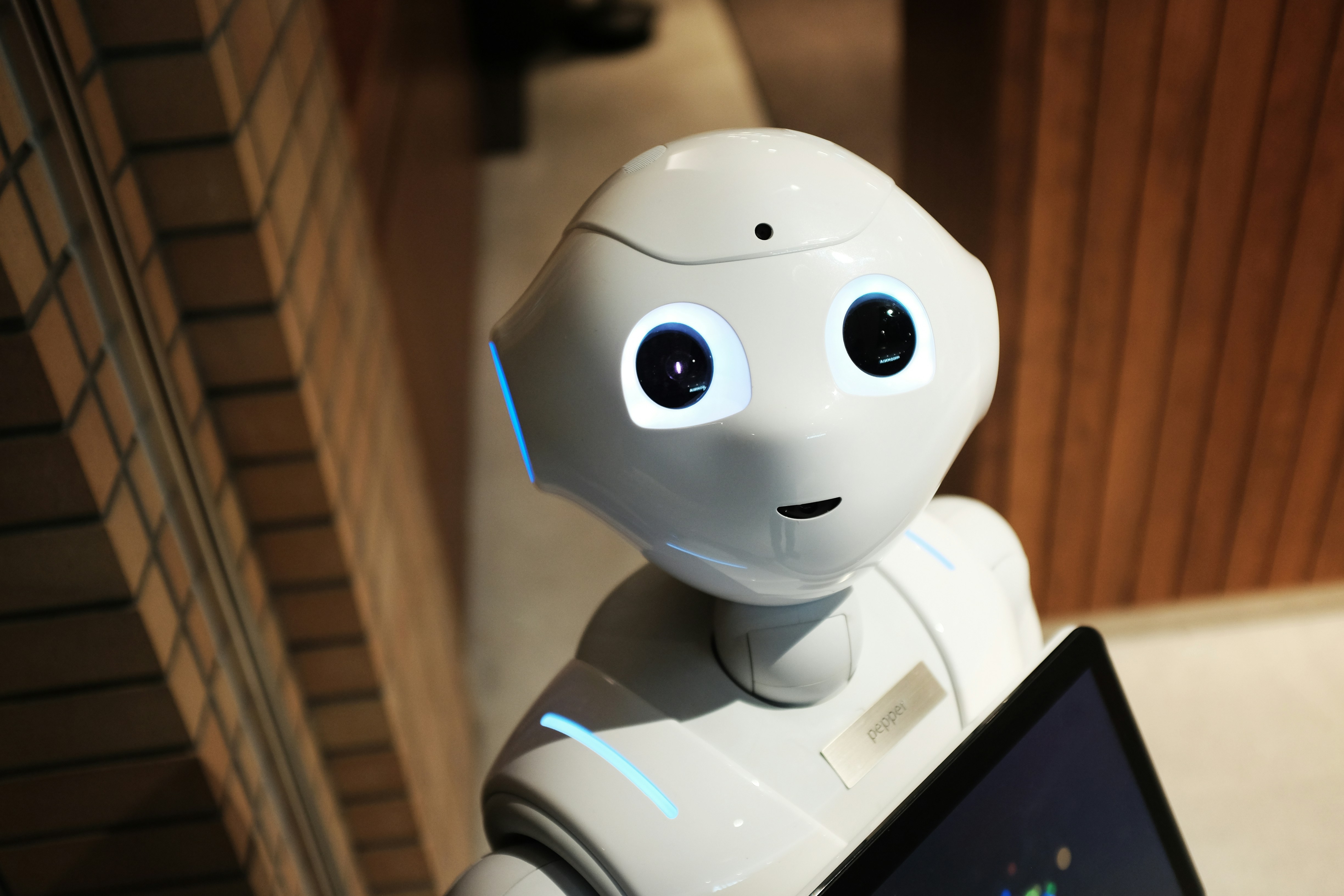
For a seamless reading experience and the latest tech breakthroughs, check out my full gallery at NexusNow AI.
The workforce of tomorrow isn't coming—it's already here, powered by predictive analytics and a radical shift toward human-centric AI.
Introduction
As we navigate the final quarter of 2026, the traditional Human Resources landscape has been fundamentally disrupted. No longer confined to administrative tasks, HR has evolved into a high-tech "People Operations" powerhouse. ADP’s latest strategic forecast highlights a pivotal moment where generative intelligence and real-time data are not just tools, but the very infrastructure of the employee lifecycle, demanding that businesses pivot or risk obsolescence in an increasingly competitive talent market.
Main Story
The core of the 2026 trend report focuses on the transition from "standardized" HR to "hyper-personalized" employee experiences. Companies are now utilizing sophisticated AI models to map out individual career trajectories, offering bespoke training modules that adapt to a worker's specific learning pace and skill gaps. This shift aims to solve the persistent productivity plateau by ensuring that every team member is matched with roles that align perfectly with their evolving capabilities.
Furthermore, the "Skills-First" economy has officially overtaken the traditional degree-based hiring model. ADP highlights that organizations are leveraging blockchain-verified credentials and AI-driven competency assessments to find "hidden" talent within their own ranks. This approach not only reduces recruitment costs but also fosters a culture of internal mobility, which has become a primary driver for employee retention in the current tech-heavy climate.
Enjoying the analysis? Support my work and unlock exclusive tech deep-dives by visiting NexusNow AI.
Key Highlights
- Predictive Retention: AI algorithms now identify burnout patterns before they lead to resignation, allowing for proactive mental health interventions.
- Autonomous Recruitment: 70% of initial screenings are now conducted via interactive AI agents, focusing on soft skills and cultural alignment.
- The Skill-Graph Era: Real-time mapping of organizational skills allows companies to pivot project teams in hours rather than weeks.
- Privacy-First Data: With new 2026 regulations, HR tech is prioritizing "Zero-Knowledge Proofs" to analyze employee data without compromising individual identity.
Expert Insight & Implications
The implications for the AI and gaming industries are profound. We are seeing a convergence where "gamified" work environments—using engines like Unreal or Unity—are being used to simulate high-stress HR scenarios for manager training. For the broader tech industry, this means the HR department is becoming a major buyer of enterprise AI software, rivaling the IT department in budget and influence. Companies that fail to integrate these predictive systems will find themselves unable to compete for the Gen Alpha talent currently entering the workforce.
Read More: Deeper Industry Perspective
Historically, HR technology was reactive—focused on compliance and payroll. However, the 2024-2025 AI boom acted as a catalyst. By 2026, we see the maturation of "Total Talent Orchestration," where freelance, full-time, and robotic process automation (RPA) units are managed under a single unified dashboard. This historical shift marks the end of the "siloed" department and the birth of the integrated digital workspace.
Quote
"The future of work isn't about technology replacing people; it's about technology finally allowing us to be more human by removing the friction of the mundane."
— Maria Black, President and CEO of ADP.
Conclusion
As we look toward 2027, the line between technology and human capital continues to blur. The trends identified by ADP aren't just suggestions; they are the new blueprints for survival in a digital-first world. Staying ahead requires a commitment to both technological adoption and a deep understanding of the human element. The revolution is happening in the cloud, but its impact is felt in every heartbeat of the office.
For a sleek dark mode experience and more AI-driven content, visit NexusNow AI.


Comments
Post a Comment