The Rise of the Active Architect: 5 Tech Shifts Redefining Modern CIO Leadership
From Boardroom Suits to Digital Blueprints: 5 Tech Shifts Transforming CIOs into Active Architects
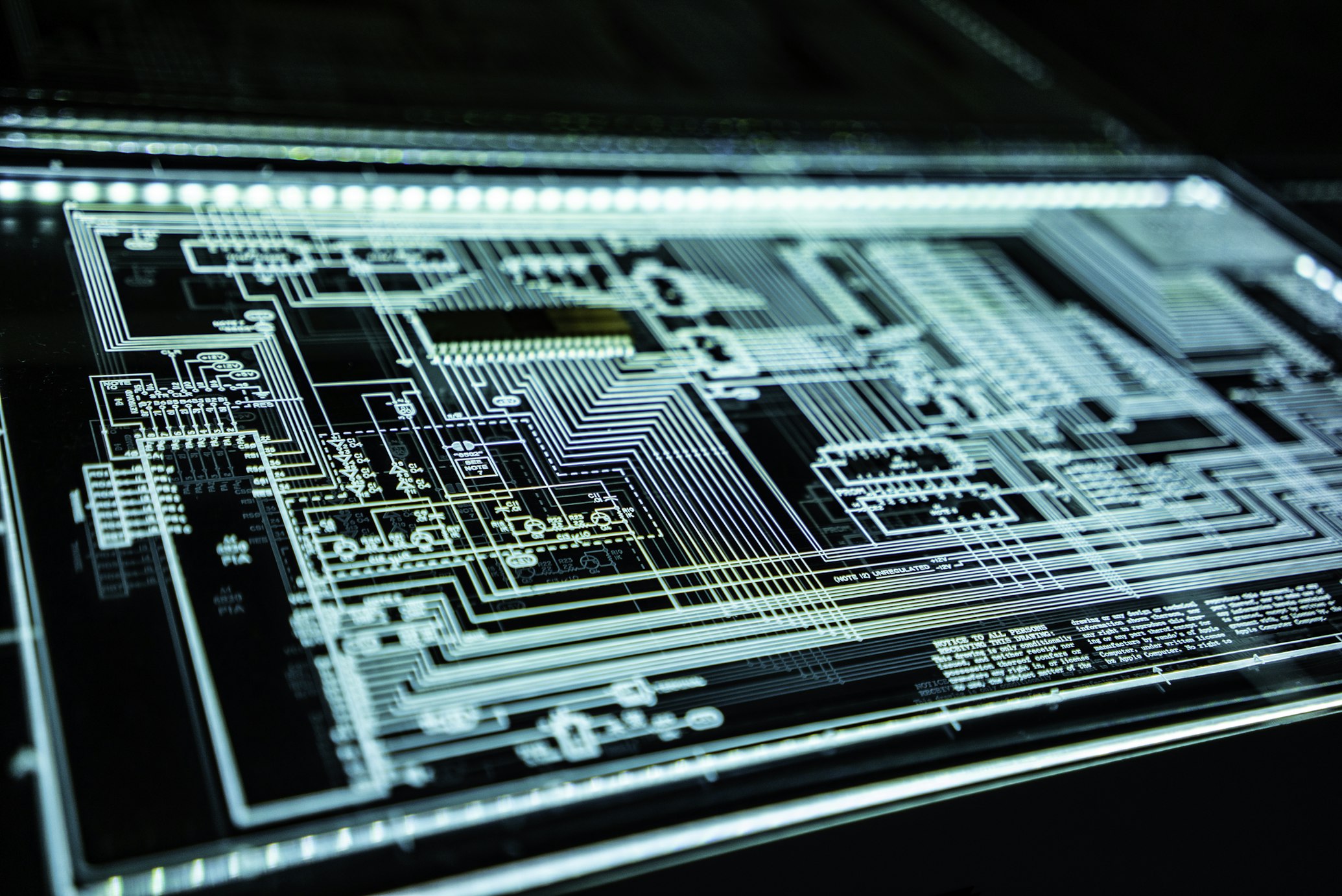
The era of the "order-taking" IT executive is dead; meet the new class of leaders who are literally building the future of enterprise intelligence.
For a seamless, high-performance reading experience with the latest tech deep-dives, visit my blogger site at NexusNow AI.
Introduction
In the rapidly evolving landscape of 2026, the Chief Information Officer (CIO) is no longer just a budget manager or a vendor liaison. As emerging technologies like Generative AI, decentralized cloud structures, and quantum-ready security become the bedrock of business, a seismic shift has occurred. The "Active Architect" has emerged—a leader who doesn't just approve the tech stack but actively designs the digital nervous system of the modern corporation. This transformation marks a pivotal moment where technical mastery meets strategic vision.
Main Story
The transition toward "Active Architecture" is driven by the realization that off-the-shelf solutions no longer provide a competitive edge. In today's market, CIOs are increasingly involved in the granular design of their data pipelines and AI models. This hands-on approach is necessitated by the complexity of integrating Large Language Models (LLMs) into legacy systems, which requires a deep understanding of infrastructure that traditional management roles lacked. By taking the wheel, CIOs are ensuring that technology isn't just a cost center but a bespoke engine for growth.
Furthermore, the push for "Active Architecture" is a response to the skyrocketing costs of technical debt. Many organizations found that rapid, unguided digitization during the early 2020s led to fragmented ecosystems. Today's CIOs are performing "digital surgery," realigning these systems into cohesive, agile frameworks. This requires them to stay "close to the metal," understanding how microservices and API-first designs can create a resilient foundation capable of pivoting whenever the next tech disruption hits the gaming or AI sectors.
Want to read this in a sleek, eye-friendly environment? Try our Dark Mode version on NexusNow AI.
Key Highlights
- AI-Centric Infrastructure: CIOs are redesigning data centers to handle the massive compute demands of real-time AI inference and localized model training.
- Sovereign Cloud Adoption: A shift toward regionalized and private cloud structures to ensure data privacy and regulatory compliance in a fragmented global market.
- Technical Debt Liquidation: Prioritizing the rebuilding of legacy codebases to ensure they are compatible with modern, automated DevOps workflows.
- Security as Code: Moving from reactive cybersecurity to building "hardened" architectures where security protocols are baked into the initial design phase.
Expert Insight & Implications
This evolution implies that the "soft" skills of management are no longer sufficient for top-tier IT leadership. We are witnessing a "re-technicalization" of the C-suite. For the tech and gaming industries, this means faster integration of player-facing AI and more robust backend systems that can handle millions of concurrent users without the latency issues of yesteryear. Companies that fail to empower their CIOs as architects will likely find themselves trapped in rigid, expensive, and obsolete digital silos.
Read More: Deeper Industry Perspective
Historically, the CIO role was born out of the need to manage hardware procurement. However, as software-defined everything (SDx) became the norm, the boundary between "IT" and "Product" began to blur. Current market trends show that firms with "Active Architect" leaders see a 20% faster time-to-market for digital products, as the friction between strategy and technical execution is minimized through direct executive oversight.
Quote
"Every company is now a software company. To succeed, leadership must move beyond just using technology to fundamentally understanding how to architect it."
— Satya Nadella, Chairman and CEO of Microsoft.
Conclusion
The shift from passive management to active architecture is the defining trend of this decade's corporate leadership. As CIOs embrace their new roles as master builders, the gap between visionary ideas and functional reality will continue to shrink. The future belongs to those who aren't afraid to get their hands dirty in the blueprints of their own digital empires. Support my work and stay ahead of the curve by following NexusNow AI for daily tech breakthroughs.


Comments
Post a Comment