The Future of Work: 8 Disruptive HR Tech Trends Redefining the 2027 Workforce Landscape
Beyond the Office: 8 Disruptive HR Tech Shifts Reshaping the 2027 Professional Landscape
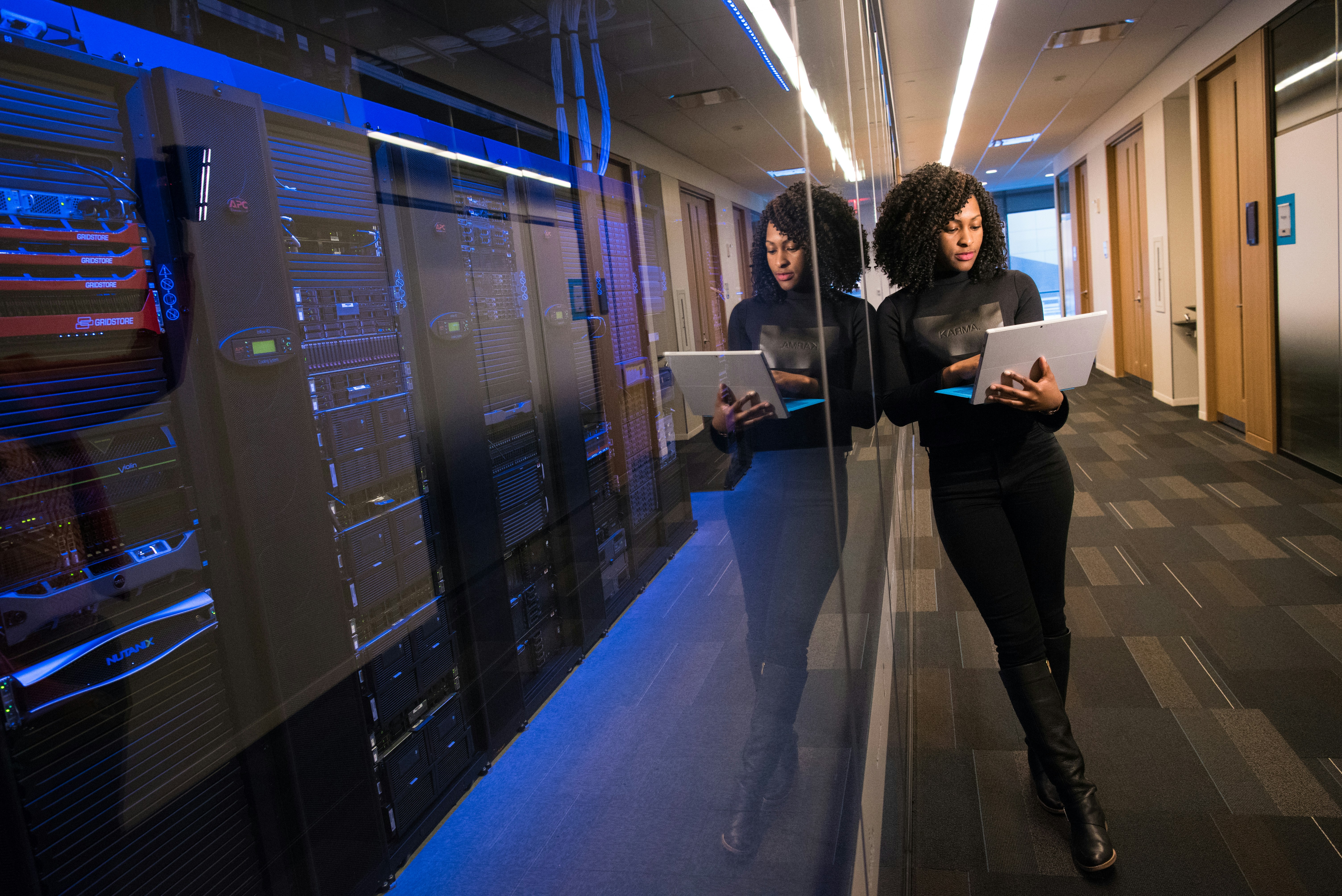
The traditional workplace is being dismantled and rebuilt by algorithms; here is your roadmap to the tech-driven employee experience of 2027.
Support my work and stay ahead of the curve by visiting NexusNow AI for the latest breakthroughs in artificial intelligence and tech.
Introduction
As we approach 2027, the intersection of Human Resources and advanced technology has moved far beyond simple payroll automation. We are entering an era where AI doesn't just manage data—it manages the "human" element of business. The latest projections from industry leaders like Paycor highlight a radical shift toward hyper-personalization, where the employee experience is curated with the same precision as a Netflix algorithm. This transformation is not just about efficiency; it’s about redefining the social contract between employer and employee in a world dominated by rapid AI integration and decentralized workforces.
Main Story
The core of the 2027 HR revolution lies in "Predictive People Analytics." Companies are moving away from reactive management to a proactive model where AI identifies potential burnout, skill gaps, and attrition risks months before they manifest. By leveraging real-time data streams from collaboration tools, HR platforms can now offer personalized "intervention" strategies, ensuring talent is nurtured rather than replaced. This shift is turning HR departments from administrative hubs into strategic powerhouses that drive business value through human-centric data.
For a seamless, distraction-free reading experience, try my blogger at NexusNow AI.
Furthermore, the integration of Immersive Technologies (VR and AR) has become the gold standard for global onboarding and technical training. No longer tethered by geography, companies are using the "Enterprise Metaverse" to foster culture and simulate complex high-stakes environments for new hires. Coupled with the rise of GenAI-powered career coaching, employees in 2027 have access to 24/7 mentorship, allowing for rapid upskilling that keeps pace with the blistering speed of technological change.
Key Highlights
- Hyper-Personalization: AI-driven career pathing that suggests roles and training based on an individual's unique behavioral data and aspirations.
- The Immersive Workspace: VR/AR becoming the primary medium for remote collaboration and safety training, reducing physical infrastructure costs.
- Skills-First Hiring: A definitive shift toward verified AI-assessed skills over traditional university degrees or historical job titles.
- Predictive Well-being: Biometric and digital sentiment analysis used to proactively manage mental health and work-life balance.
Expert Insight & Implications
This technological leap implies a double-edged sword for the global workforce. While efficiency and personalization reach all-time highs, the ethical implications of "Employee Surveillance" and data privacy become the new battleground for labor rights. For the tech and gaming industries, this means a higher demand for UX designers and data ethicists within corporate structures. Organizations that successfully balance AI-driven insights with genuine human empathy will emerge as the "Employers of Choice" in 2027, while those who over-rely on cold algorithms may face a significant talent exodus.
Read More: Deeper Industry Perspective
Historically, HR tech followed a 10-year innovation cycle. However, the post-2023 AI explosion has compressed this into a 2-year cycle. Market trends suggest that by late 2027, "Autonomous HR" agents will handle 70% of standard employee queries, freeing human leaders to focus entirely on strategy and complex conflict resolution. This mirrors the shift seen in the gaming industry, where procedural generation and AI NPCs have moved from novelty to core infrastructure.
Quote
"The goal of HR technology is no longer just to 'manage' people, but to make work easier, more productive, and more meaningful for every individual."
— Josh Bersin, Global Industry Analyst and Dean of the Josh Bersin Academy.
Conclusion
The workplace of 2027 is a symphony of human intuition and machine intelligence. As these eight trends continue to mature, the focus shifts from the tools themselves to the outcomes they facilitate: a more resilient, skilled, and engaged workforce. Navigating this transition requires more than just a software update; it requires a fundamental rethink of what it means to lead in the digital age. Stay informed, stay adaptable, and most importantly, stay human.
For a more immersive look and a sleek Dark Mode experience, support me by visiting NexusNow AI.


Comments
Post a Comment