Beyond the Hype: Why McKinsey’s 2026 Tech Outlook Ignores the Critical Infrastructure Reality
Blind Spots in the Boardroom: Why McKinsey’s Latest Tech Outlook Only Tells Half the Story
For a seamless reading experience and deep dives into the future of tech, try my blogger site: NexusNow AI.
McKinsey's latest tech forecast is turning heads, but critics argue it’s missing the very foundation of the next digital era.
Introduction
McKinsey & Company has long been the oracle for C-suite executives looking to navigate the complex waters of digital transformation. However, their 2026 Technology Trends Outlook has ignited a sharp debate across the industry. While the report highlights the meteoric rise of generative AI and frontier technologies, seasoned analysts suggest that the prestigious firm has published what amounts to "half a report," ignoring the grueling physical and structural realities that sustain the tech ecosystem.
Main Story
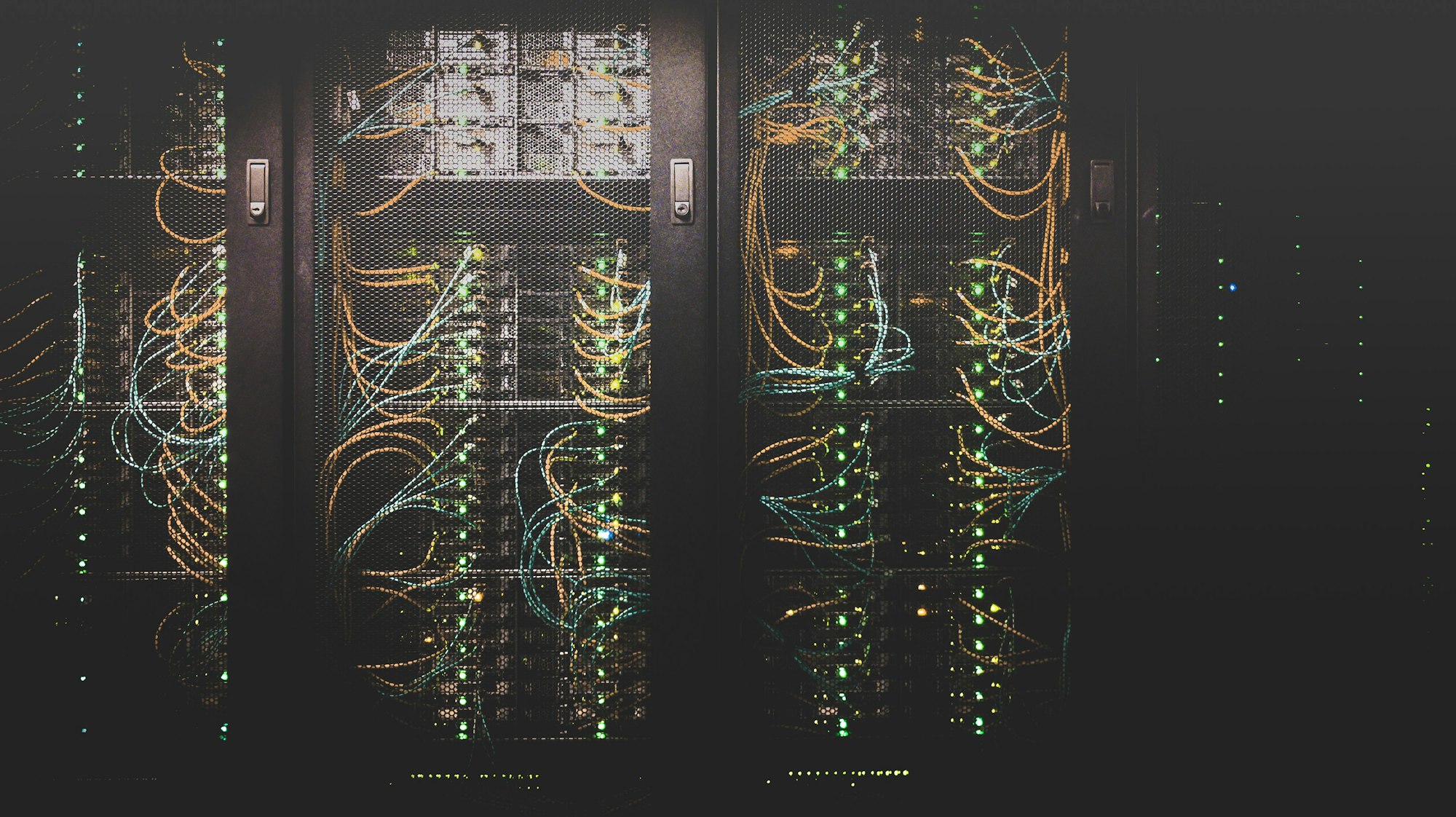
The core of the criticism lies in McKinsey’s perceived "software-first" bias. While the report masterfully identifies how AI can optimize business workflows and revolutionize customer engagement, it largely glosses over the "hard" side of technology. Specifically, it fails to adequately address the massive energy demands of next-generation data centers and the increasing scarcity of the advanced semiconductors required to run these models. Without a stable power grid and a resilient supply chain, the "trends" identified in the report remain theoretical at best.
Furthermore, the report’s optimism regarding enterprise AI adoption seems to ignore the "plateau of productivity" that many firms are currently hitting. By focusing on potential ROI without addressing the technical debt and the logistical nightmare of integrating legacy systems with modern AI, the report acts more like a vision statement than a realistic roadmap. In a landscape where the cost of compute is skyrocketing, ignoring the infrastructure bottleneck is a significant oversight for any strategic guide.
For a high-performance experience and dark mode, support me by visiting NexusNow AI.
Key Highlights
- Infrastructure Blindness: Significant underrepresentation of power grid constraints and hardware cooling requirements.
- Hype vs. Reality: An over-reliance on generative AI potential while ignoring the high failure rate of enterprise AI pilots.
- The "Bits over Atoms" Fallacy: A strategic gap in addressing how physical supply chain disruptions impact digital growth.
- Missing Middle: A lack of focus on the developer-level friction and technical debt that slows down the adoption of new tech.
Expert Insight & Implications
This critique serves as a wake-up call for the industry. If decision-makers rely solely on high-level strategic reports that ignore infrastructure, they risk misallocating billions in capital. The tech industry is shifting from an era defined by "software eating the world" to one where "hardware and energy gatekeep the world." For the gaming and AI sectors, this means that the availability of GPUs and sustainable energy will be just as important as the code itself.
Read More: Deeper Industry Perspective
Historically, McKinsey reports have set the tone for annual corporate budgeting. However, the "Physical Turn" in AI—where companies like Microsoft and Amazon are becoming energy providers to secure their AI futures—suggests that the boundary between "Tech" and "Utilities" is blurring. A report that doesn't account for the geopolitical tensions surrounding lithography machines and rare earth minerals is effectively missing the foundation of the 2026 tech stack.
Quote
"The future of AI isn't just about the model you train; it's about the power grid that keeps it alive and the specialized silicon that processes it. We are moving from a world of general-purpose computing to a world of accelerated, energy-intensive computing."
— Jensen Huang, CEO of NVIDIA
Conclusion
McKinsey’s latest report provides a valuable lens for understanding business sentiment, but it is clear that looking at the digital world in isolation is no longer sufficient. To truly understand where technology is headed, we must look at the intersection of bits and atoms. As we move closer to 2027, the real winners won't just be the ones with the best algorithms, but the ones with the power to run them.
Stay ahead of the curve with more exclusive insights. Support my work by visiting NexusNow AI today!


Comments
Post a Comment