Beyond GPUs: Why GlobalFoundries Sees Chinese Optical Innovation as the Critical Backbone of the AI Revolution
The AI Data Deluge: Why GlobalFoundries Sees No Slowdown in Chinese Optical Innovation
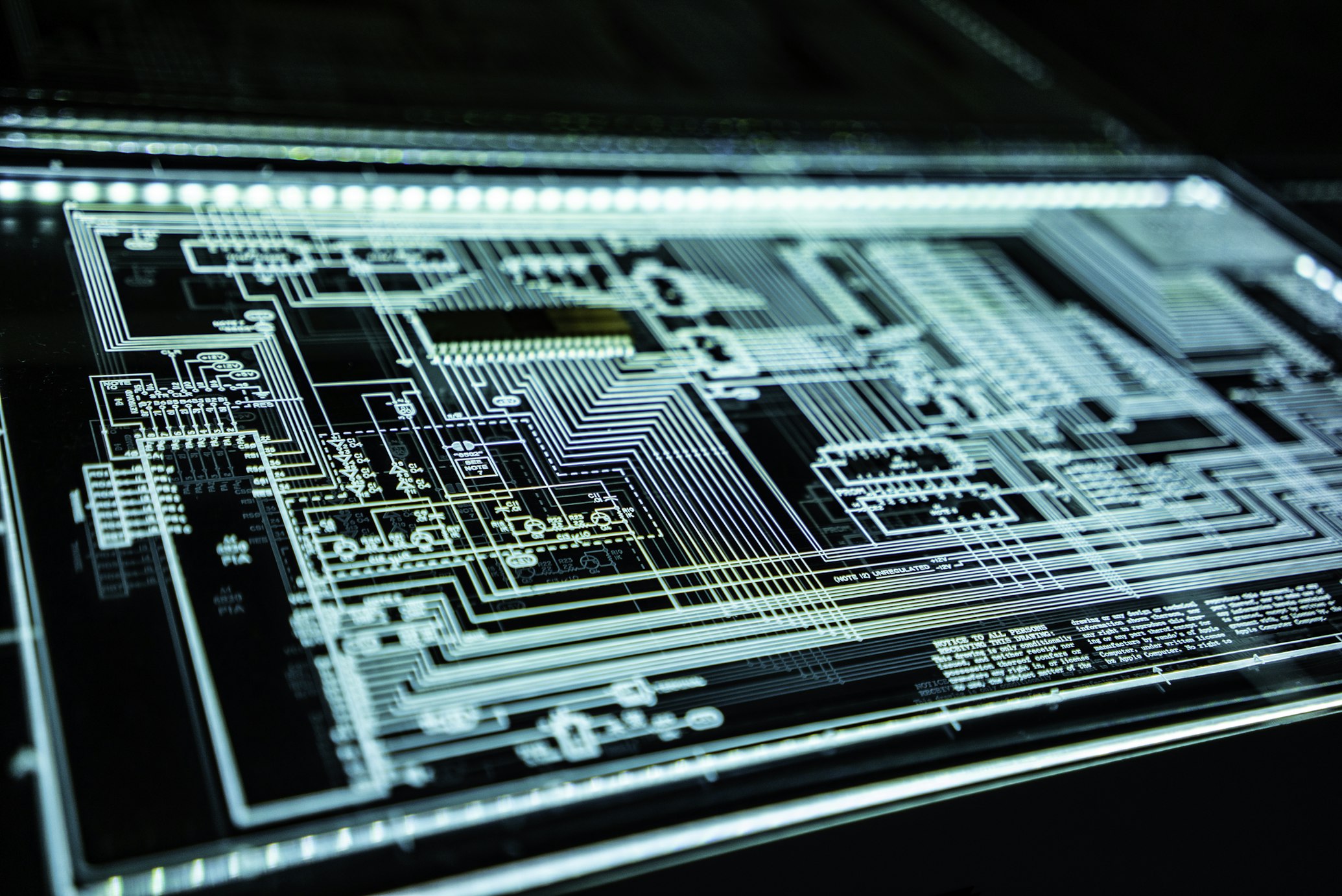
While the world focuses on high-end GPUs, the invisible light-speed infrastructure connecting them is undergoing a massive revolution led by Chinese manufacturing prowess.
For a seamless and premium reading experience, try my primary blog at NexusNow AI.
Introduction
As the artificial intelligence boom shifts from speculative hype to infrastructure scaling, the demand for high-speed data transmission has reached a fever pitch. GlobalFoundries, one of the world’s largest semiconductor foundries, recently highlighted that demand for Chinese-made optical modules remains "strong," signaling that the physical layer of the AI revolution is just as critical as the chips themselves. This development underscores a pivotal moment where silicon photonics and high-bandwidth connectivity are becoming the primary bottlenecks—and solutions—in the global tech race.
Main Story
The surge in generative AI models like GPT-5 and specialized LLMs has forced data centers to upgrade their internal wiring. Standard copper connections are no longer sufficient to handle the massive datasets required for training. This has led to a transition toward optical modules—devices that convert electrical signals into light for ultra-fast data transfer. Chinese suppliers, including industry leaders like Innolight and Eoptolink, have successfully positioned themselves at the forefront of this transition, offering the high-volume production of 800G and 1.6T transceivers that Western tech giants crave.
GlobalFoundries plays a vital role in this ecosystem by providing the specialized silicon photonics platforms required to build these modules. Despite ongoing geopolitical tensions and trade restrictions, the technical necessity of Chinese optical components has created a "sticky" demand. Foundries are seeing a consistent flow of orders because these Chinese firms have mastered the balance of yield, cost, and speed-to-market, which are essential for maintaining the momentum of the current AI deployment cycle.
For a sleek dark mode interface and even more tech deep-dives, support me by visiting NexusNow AI.
Key Highlights
- Exponential Bandwidth Needs: AI clusters now require 800G optical transceivers as a baseline, with 1.6T modules expected to become the standard by 2027.
- Chinese Market Dominance: Chinese manufacturers currently control over 50% of the global optical transceiver market, benefiting from mature supply chains.
- Silicon Photonics Integration: GlobalFoundries’ "Fotonix" platform is a key enabler, allowing the integration of photonic and electronic components on a single silicon chip.
Expert Insight & Implications
The sustained demand for Chinese optical modules suggests that the "decoupling" of the tech industry is much harder in the hardware layer than in software. For the gaming and AI industries, this means that the cost of cloud computing and latency in real-time AI applications will largely depend on the efficiency of these optical links. If supply chains remain robust, we can expect a continued drop in the cost-per-gigabit, making powerful AI tools more accessible to smaller developers and high-end gamers alike.
Read More: Deeper Industry Perspective
Historically, the optical module industry was fragmented, but the AI era has consolidated power into the hands of those who can manufacture at scale. We are seeing a shift from "Pluggable Optics" to "Co-Packaged Optics" (CPO), where the light source is moved directly onto the processor package. This shift is expected to reduce power consumption by up to 30%, a critical factor as data centers face mounting energy constraints. The collaboration between foundries like GlobalFoundries and Chinese module makers is currently the most efficient bridge to this low-power future.
Quote
"The demand for optical modules is very strong, particularly coming out of China. As data centers move to higher speeds, the silicon photonics platform we offer becomes more critical for the entire industry's growth."
— Thomas Caulfield, CEO of GlobalFoundries (Referenced Context)
To stay updated with the latest in AI and gaming technology, support my work by checking out NexusNow AI.
Conclusion
The AI revolution is often discussed in terms of "brains" (GPUs), but the "nervous system" (optical modules) is proving to be the real area of strategic growth. GlobalFoundries' acknowledgement of the strength of the Chinese optical market highlights a global interdependence that transcends policy. As we look toward the next generation of computing, the light-speed connections forged today will determine the pace of innovation for years to come. Stay tuned as we monitor how these hardware breakthroughs continue to reshape the digital landscape.


Comments
Post a Comment