Tech-spitality: How AI and Robotics are Revolutionizing the Future of Global Foodservice
Beyond the Plate: The High-Tech Revolution Reshaping Global Foodservice
For a seamless and faster reading experience, check out the full version of this story on my official blog: NexusNow AI.
As labor shortages and sustainability demands collide, the food industry is undergoing a massive digital transformation that merges culinary arts with cutting-edge AI.
Introduction
The traditional kitchen is being reimagined as a high-tech hub where data is as essential as the ingredients. Recent insights from CHS Inc. highlight a seismic shift in how food is prepared, managed, and delivered. In today’s tech landscape, the integration of automation and predictive analytics into the foodservice sector isn’t just a luxury—it’s a survival strategy that is fundamentally altering the global supply chain.
Main Story
The first major driver of this change is the aggressive adoption of AI-driven supply chain management. By leveraging massive datasets, foodservice providers can now predict fluctuations in demand with unprecedented accuracy, significantly reducing food waste and optimizing logistical costs. This digital backbone allows companies like CHS Inc. to ensure that the journey from farm to fork is more efficient and environmentally conscious than ever before.
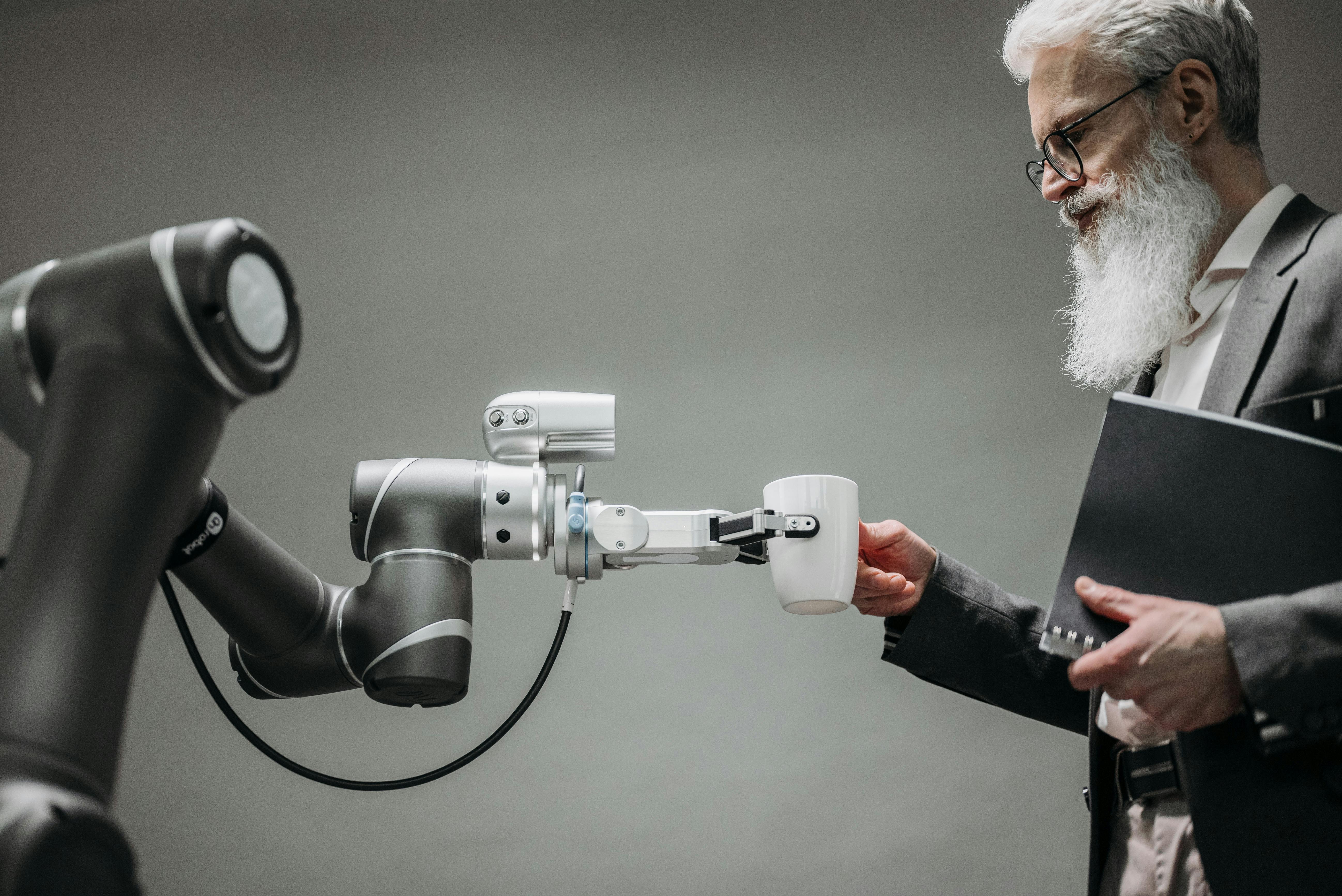
Furthermore, the physical landscape of the kitchen is evolving. We are seeing a surge in "cobotics"—collaborative robots—that assist human staff in repetitive tasks, allowing chefs to focus on creative execution. This technological pivot addresses the chronic labor shortages plaguing the hospitality industry while ensuring a consistent quality of service that was previously difficult to maintain at scale.
Looking for a more comfortable read? For Dark Mode and custom themes, visit NexusNow AI.
Key Highlights
- Predictive Inventory AI: Utilizing machine learning to anticipate consumer demand and slash operational waste.
- The Automation Surge: Implementing robotics to stabilize back-of-house operations amidst global labor fluctuations.
- Sustainability Through Data: Tech-enabled transparency in the supply chain to meet the growing consumer demand for ethically sourced goods.
- Hyper-Personalization: Using digital platforms to offer tailored nutritional choices to individual diners.
Expert Insight & Implications
This shift represents a transition from traditional hospitality to "Tech-spitality." For the AI and gaming industries, this is a massive opportunity; the same spatial intelligence used in high-end gaming engines is now being repurposed for kitchen robotics and logistics simulation. As AI becomes the "head chef" of logistics, we can expect the food industry to become one of the primary testing grounds for real-world autonomous systems.
Read More: Deeper Industry Perspective
The historical context of food service has always been one of manual labor and high margins of error. However, the current "Fourth Industrial Revolution" in food is different. By 2026, the global market for food robotics is expected to grow by over 13% annually. This growth isn't just about efficiency; it's about the democratization of high-quality nutrition through lowered costs and improved accessibility across diverse demographics.
Quote
"AI will be the biggest productivity boost in human history, and it starts with the most fundamental human need: how we produce and consume food."
— Jensen Huang, CEO of NVIDIA
Conclusion
The intersection of food and technology is no longer a futuristic concept; it is the reality of our modern economy. As companies like CHS Inc. lead the charge in identifying these trends, the tech industry must remain vigilant in providing the software and hardware necessary to sustain this evolution. The future of food is digital, and the menu is only just beginning to load.
If you enjoyed this analysis, support me by exploring more tech insights and deep dives at NexusNow AI.


Comments
Post a Comment