Steel Skies: How Korean Innovation and Heavy Bomber Drones are Redefining Ukraine’s Autonomous Warfare
Steel Skies: How Korean Tech and Heavy Bombers are Revolutionizing Ukraine’s Drone Front
For a seamless experience and the latest deep dives into autonomous warfare, try my blogger at NexusNow AI.
The next phase of aerial warfare has arrived, blending East Asian precision with Eastern European battlefield innovation to reshape the modern frontline.
Introduction
The conflict in Ukraine has long been a laboratory for 21st-century warfare, but the latest developments signal a massive technological leap. As traditional air defenses struggle against swarm tactics, a new breed of "interceptor drones" bolstered by advanced Korean technology is taking center stage. This shift from reactive defense to proactive, AI-driven aerial hunting marks a significant turning point in how global powers view low-altitude sovereignty and tactical dominance.
Main Story
According to the latest reports from Ukraine's Arms Monitor, the integration of South Korean semiconductor and sensor technology into Ukrainian interceptor drones has significantly boosted their success rate against loitering munitions. These interceptors are designed to neutralize enemy reconnaissance and kamikaze drones mid-air, saving expensive surface-to-air missiles for higher-altitude threats. The Korean influence is particularly visible in the optical guidance systems and miniaturized radar components that allow these small craft to track fast-moving targets in complex environments.
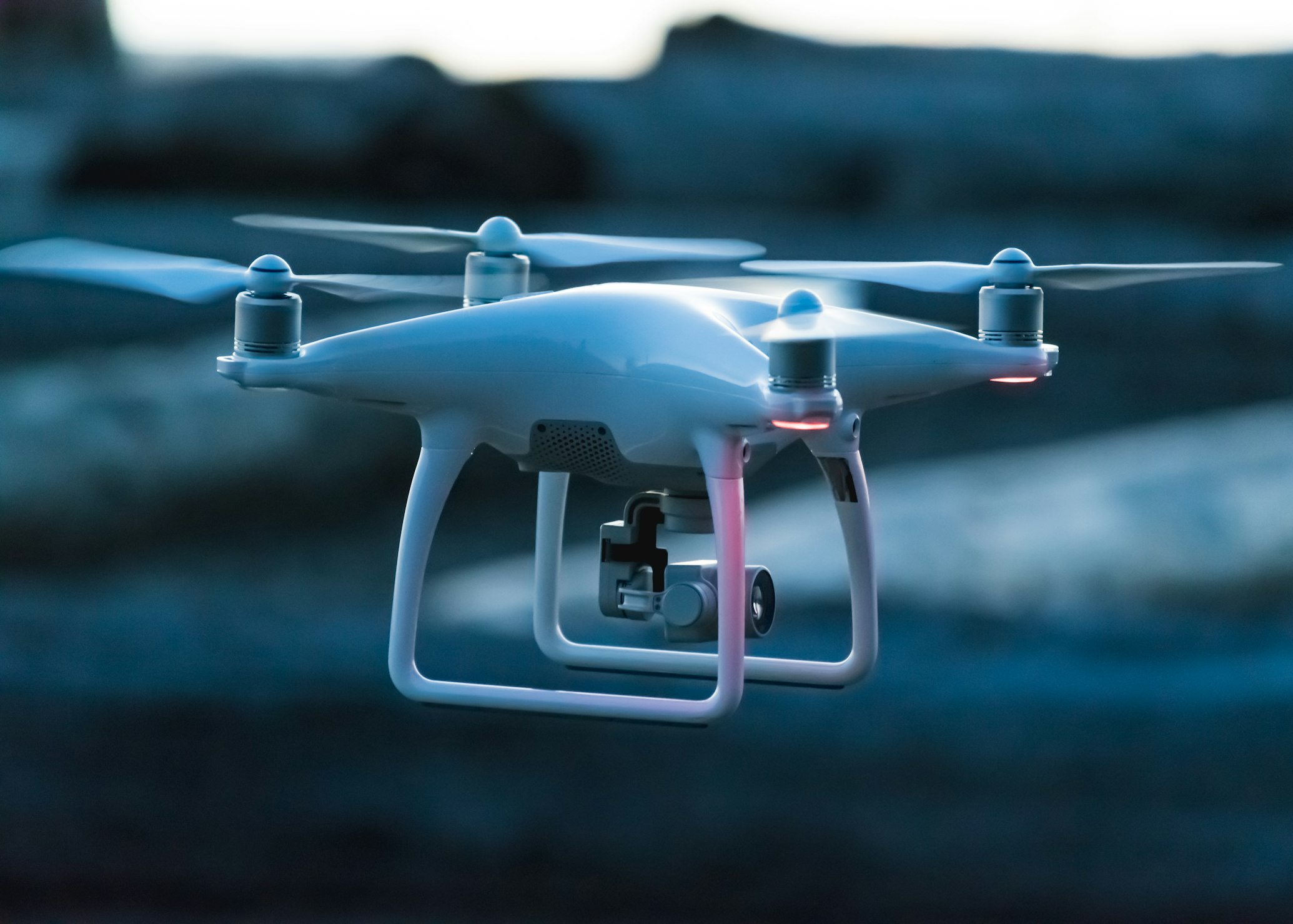
Simultaneously, the trend in "heavy bomber" drones is reaching a fever pitch. Moving beyond the modified commercial quadcopters of early 2024, Ukraine is now deploying massive, multi-rotor platforms capable of carrying heavy payloads over significant distances. These "Baba Yaga" class drones have evolved into sophisticated night-hunters, equipped with thermal imaging and automated release mechanisms that allow them to strike armored targets with surgical precision before disappearing into the darkness.
For dark mode and a sleek interface that makes tracking tech trends easier on the eyes, visit NexusNow AI.
Key Highlights
- Korean Integration: Advanced sensors and guidance chips from South Korea are now powering the next generation of Ukrainian drone interceptors.
- Heavy Bomber Evolution: A shift toward larger, industrial-grade drones capable of carrying multiple 82mm mortar rounds or specialized anti-tank mines.
- Economic Attrition: Interceptor drones provide a cost-effective solution to the "Shahed" problem, costing a fraction of traditional missile systems.
- AI-Targeting: New software updates allow for autonomous terminal guidance, reducing the impact of electronic warfare and signal jamming.
Expert Insight & Implications
The marriage of South Korean hardware and Ukrainian battlefield software is a masterclass in "agile defense." For the global tech and gaming industries, this represents a massive push in computer vision and real-time processing. The algorithms being perfected today to track a drone through a forest or urban canyon are the same ones that will eventually power the autonomous delivery fleets and advanced AR gaming experiences of tomorrow. We are witnessing the transition of drones from "remote-controlled toys" to "autonomous aerial robots."
Read More: Deeper Industry Perspective
The involvement of Korean tech components also highlights a shifting geopolitical landscape. While South Korea maintains a policy of not sending lethal weapons directly, the "dual-use" nature of their electronics industry allows them to be a silent powerhouse in the drone race. Market analysts expect the global counter-drone market to grow by 25% annually through 2030, driven largely by the lessons currently being learned in the skies over Kyiv and Kharkiv.
Quote
"The war of the future will be a war of sensors and algorithms. The side that can process data faster and deploy autonomous units cheaper will inevitably hold the high ground."
— Mykhailo Fedorov, Vice Prime Minister for Innovations, Development of Education, Science and Technologies of Ukraine.
Conclusion
The evolution of drone warfare—from simple reconnaissance to sophisticated Korean-backed interceptors and heavy-duty bombers—is rewriting the rules of engagement. As AI continues to integrate into these platforms, the line between technology and kinetic force becomes increasingly blurred. This isn't just a localized military trend; it is a preview of a future where autonomous systems are the primary guardians and challengers of global security.
If you enjoyed this analysis and want to stay ahead of the curve, support me by visiting NexusNow AI for more exclusive tech and AI content.


Comments
Post a Comment