The AI Peloton: 7 Tech Revolutions Redefining the 2026 Tour de France and the Myth of the Perfect Tyre
The High-Tech Peloton: 7 Shifts Transforming the 2026 Tour de France and the Myth of the Perfect Tyre
For a more seamless experience and access to our full archive of tech breakdowns, support me by visiting my blogger at NexusNow AI.
Forget what you knew about road racing—the 2026 Tour de France is rewriting the rules of physics, aerodynamics, and data science.
Introduction
As the 2026 Tour de France moves into its high-mountain stages, the intersection of material science and digital optimization has reached a critical boiling point. It is no longer just about the strongest legs in the peloton; it is about the most advanced algorithms and the subtle nuances of mechanical engineering. This year’s race has become the ultimate testing ground for technologies that will define the next decade of personal transport and athletic performance.
Main Story
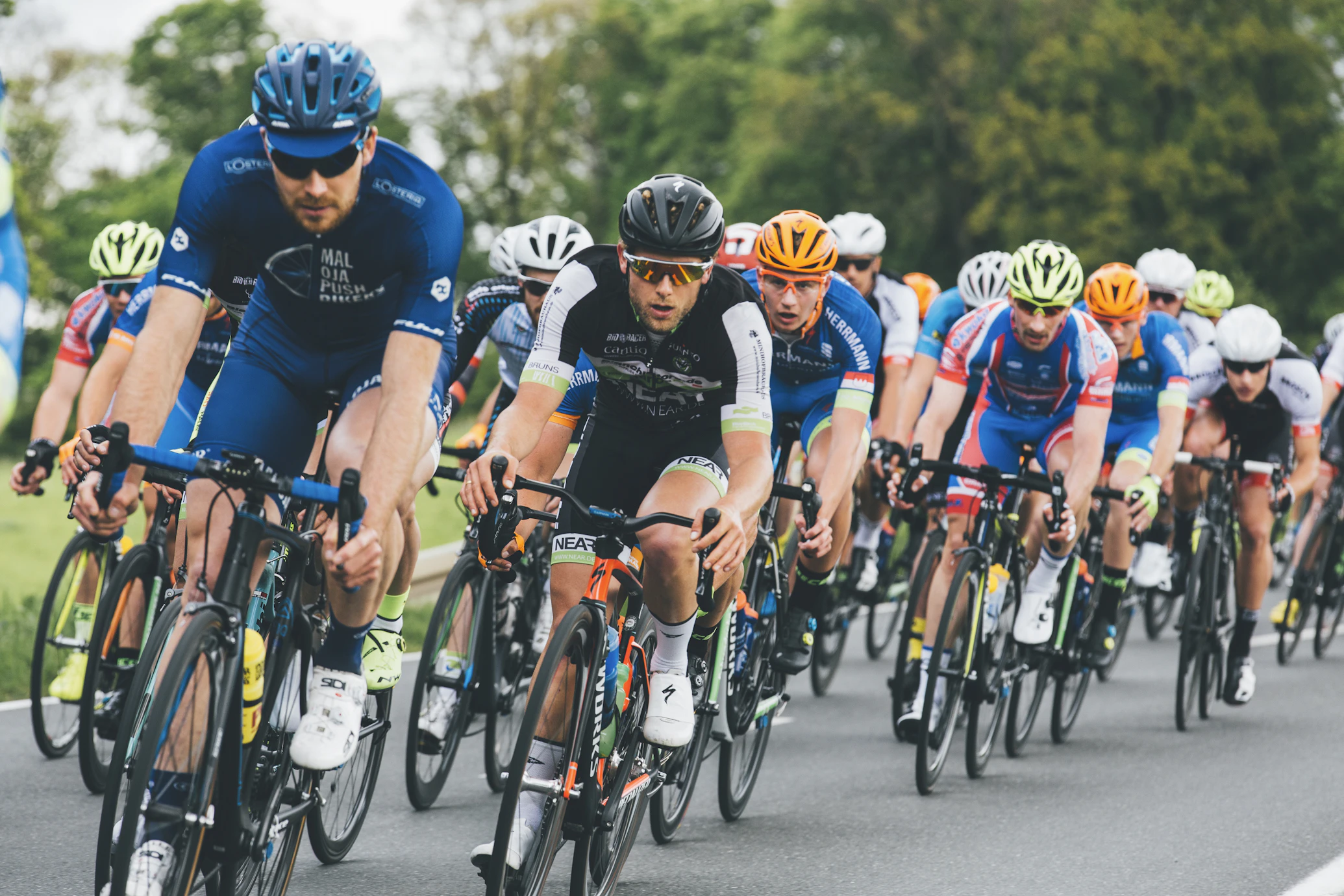
The 2026 season marks a pivotal shift in professional cycling, characterized by a move away from "one-size-fits-all" engineering. Industry experts at BikeRadar have highlighted seven major trends, most notably the abandonment of the quest for a single "fastest" tyre size. Instead, teams are leveraging real-time telemetry and AI-driven simulations to adjust equipment based on specific stage topography, surface temperature, and atmospheric pressure. The era of the 23mm tyre is a distant memory, replaced by a nuanced understanding of rolling resistance and vibration damping.
Furthermore, the integration of smart fabrics in jerseys and integrated sensors in carbon frames has turned every rider into a mobile data hub. This data-first approach is reshaping how aerodynamics are perceived, moving from static wind-tunnel testing to dynamic, AI-modeled environments that account for the chaotic nature of a high-speed pack. This year, the focus has shifted from "the bike" to "the system," where every component must communicate seamlessly to shave seconds off a six-hour ride.
Enjoying this deep dive into the future of sports tech? For dark mode and more interactive tech insights, check out NexusNow AI.
Key Highlights
- The death of the "ideal" tyre: Teams now rotate between 28mm and 34mm widths based on predictive terrain modeling for each specific stage.
- AI-optimized gear ratios: Shifting patterns are being pre-calculated by machine learning to maximize watt efficiency during grueling climbs.
- Hyper-integrated cockpits: Mechanical cables have completely vanished, replaced by internal wireless protocols that reduce drag by an additional 2%.
- Bio-metric cooling: New jersey technology uses micro-actuators to increase fabric breathability during peak exertion in the heat.
Expert Insight & Implications
This technological evolution suggests that the cycling industry is following the trajectory of Formula 1. The implication is clear: the "human element" is increasingly supported—and sometimes dictated—by an "algorithmic co-pilot." For the wider tech and AI industry, this signals a massive leap in wearable technology and predictive analytics. These innovations will eventually trickle down from elite athletes to the consumer market, revolutionizing how we interact with personal fitness devices and urban mobility solutions.
Read More: Deeper Industry Perspective
Historically, cycling technology was highly conservative, often restricted by strict UCI regulations regarding frame shape and weight. However, the 2026 trends show a "softening" of these boundaries as governing bodies recognize that innovation drives spectator interest and athlete safety. The shift toward wider tyres also reflects a broader market trend toward comfort and "all-road" versatility, acknowledging that lower tyre pressures can actually result in higher speeds over imperfect real-world tarmac compared to the punishing rigidity of high-pressure setups used a decade ago.
Quote
"The bike is no longer just a machine; it's a sensor-laden extension of the athlete’s physiology, optimized by data we couldn't even process five years ago."
— Chris Froome, 4-time Tour de France Winner and Tech Consultant.
Conclusion
The 2026 Tour de France is a testament to how far we’ve come from the days of steel frames and wool jerseys. As the lines between mechanical engineering and artificial intelligence continue to blur, the race for the yellow jersey is becoming a race for the most efficient data stream. Whether you're a cycling enthusiast or a tech enthusiast, one thing is certain: the future of movement is wide, wireless, and incredibly fast. Stay tuned as we continue to track how these elite trends will impact your next ride.
Support my work and stay ahead of the curve by visiting NexusNow AI for the latest in tech, AI, and gaming.


Comments
Post a Comment