The Future of Flight: 3 AI-Driven Drone Powerhouses Poised to Dominate the Autonomous Skies
Beyond the Horizon: 3 Drone Powerhouses Set to Dominate the Autonomous Skies
For a seamless reading experience and the latest AI breakthroughs, visit NexusNow AI.
From revolutionizing global supply chains to redefining modern defense, the drone industry is hitting an inflection point that investors cannot afford to ignore.
Introduction
The sky is no longer the limit; it’s the new frontier for industrial efficiency. As we move deeper into 2026, the convergence of artificial intelligence and unmanned aerial vehicles (UAVs) has shifted from experimental curiosity to a critical economic pillar. Recent market data suggests that accelerated adoption trends in logistics, agriculture, and defense are creating a "perfect storm" for drone technology stocks. For tech enthusiasts and investors alike, understanding which players are steering this autonomous flight path is essential for navigating the next decade of digital transformation.
Main Story
The current surge in drone adoption is fueled by two primary catalysts: regulatory breakthroughs and AI-driven autonomy. Regulatory bodies worldwide have begun streamlining "Beyond Visual Line of Sight" (BVLOS) permissions, allowing companies to operate long-range delivery and surveillance networks that were previously grounded by red tape. This shift has turned drone-as-a-service (DaaS) into a viable business model, significantly lowering the barrier to entry for enterprises looking to automate their inspections and last-mile delivery protocols.
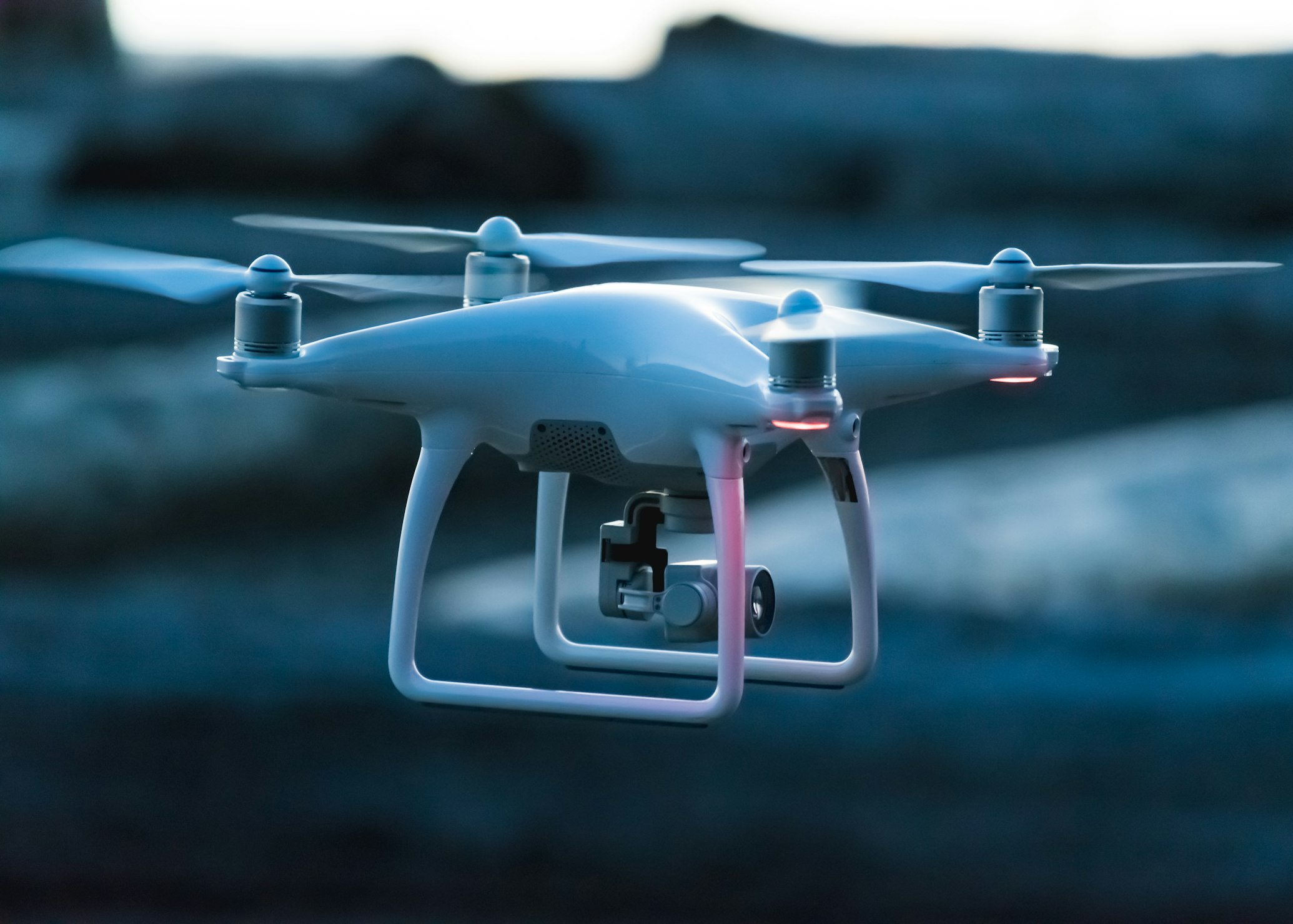
Furthermore, the integration of edge computing and computer vision has transformed drones from remotely piloted gadgets into intelligent robots. These machines can now navigate complex urban environments, perform precision agriculture tasks, and identify structural flaws in infrastructure with zero human intervention. As companies like AeroVironment and Northrop Grumman continue to secure massive government contracts, and consumer-facing giants refine their delivery ecosystems, the market is witnessing a flight to quality among tech stocks.
For a premium dark mode experience and interactive tech deep-dives, check out my blogger site here.
In the gaming and simulation sector, this drone boom is sparking a hardware revolution. The high-fidelity sensors and low-latency transmission technologies developed for industrial drones are bleeding into the VR/AR space, providing gamers with more immersive, real-world physics and FPV (First Person View) experiences. This cross-pollination between defense-grade tech and consumer entertainment is creating a unique ecosystem where software developers and hardware engineers are working closer than ever before.
Key Highlights
- AI Integration: Advanced computer vision is enabling fully autonomous flight paths, reducing operational costs by up to 40%.
- Logistics Evolution: Major retailers are scaling drone delivery hubs to meet the 15-minute delivery demand in metropolitan areas.
- Defense Modernization: Increased global demand for "loitering munitions" and tactical reconnaissance drones is driving record revenue for aerospace leaders.
- BVLOS Progress: New FAA and EASA frameworks are finally allowing for wide-scale commercial drone corridors.
Expert Insight & Implications
The implications of this "accelerated adoption" are profound. For the AI industry, drones represent the ultimate testbed for real-world reinforcement learning. As these units collect petabytes of aerial data, they feed back into the neural networks that will eventually power autonomous cars and smart city infrastructure. For the gaming world, the precision tech used in drone gimbal stabilization and signal processing is setting a new standard for haptic feedback and motion tracking. We are looking at a future where the distinction between "remote operation" and "AI-governed" becomes increasingly blurred.
Read More: Deeper Industry Perspective
Historically, the drone market was bifurcated between high-end military assets and hobbyist toys. The current "middle market"—consisting of industrial inspection and cargo drones—is where the most significant CAGR (Compound Annual Growth Rate) is expected through 2030. Companies that master the battery density problem and noise reduction will likely emerge as the long-term victors in the urban air mobility (UAM) race.
Quote
"The future of flight is unmanned, and the future of unmanned flight is intelligent. We are not just building aircraft; we are building autonomous observers that think and react in real-time."
— Wahid Nawabi, CEO of AeroVironment
Conclusion
As drone technology transitions from a niche interest to a backbone of the modern economy, the stocks driving this movement represent more than just financial assets—they represent the blueprint for an automated world. Whether it’s through the lens of a gamer, a tech developer, or a strategic investor, the trajectory of UAV adoption is clear: we are heading for a sky filled with intelligent, efficient, and transformative technology. Stay tuned as we continue to track the movers and shakers of the autonomous age.
Support my work and stay ahead of the curve by following NexusNow AI today!


Comments
Post a Comment