Beyond the Smartphone: China’s Strategic Pivot to Dominate the Humanoid Robotics Race
Beyond the Smartphone: China’s Industrial Pivot to a Humanoid Future
For a seamless experience and the latest AI breakthroughs, try my blogger: https://nexusnow-ai.blogspot.com/
The world’s electronics giant is trading glass screens for titanium joints in a race to dominate the AI-powered robotics era.
Introduction
For decades, China has been the undisputed heart of the global smartphone supply chain, but a tectonic shift is underway. As mobile markets reach saturation, the nation’s manufacturing titans are pivoting toward a more complex and lucrative horizon: humanoid robots. This transition isn’t just a change in product—it’s a total retooling of the world’s most efficient industrial engine to power the physical manifestation of General Artificial Intelligence (AGI).
Main Story
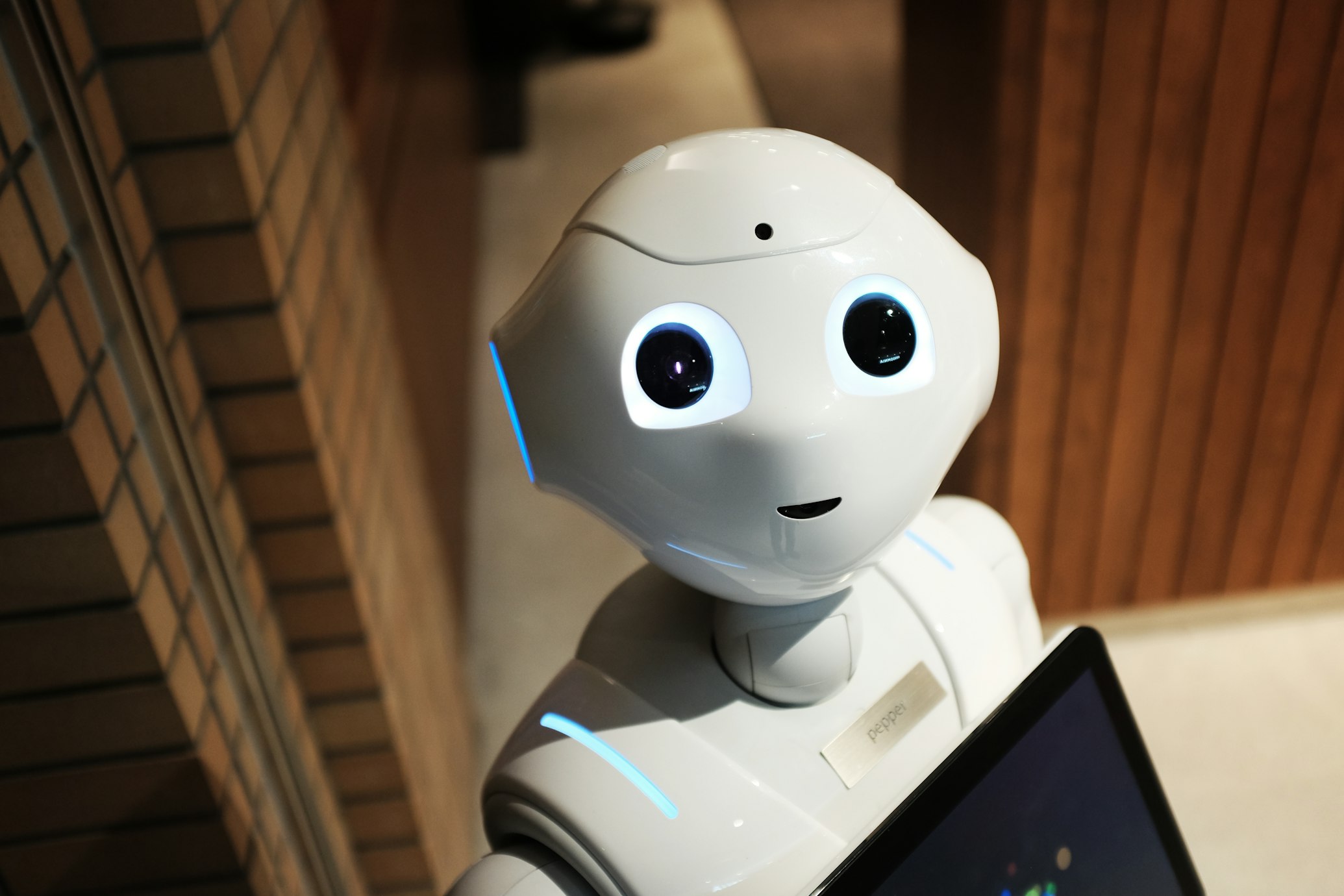
The transition from smartphones to humanoid robots is a natural evolution for China’s industrial landscape. The components that make your phone smart—advanced sensors, high-density batteries, and powerful AI chips—are the very same building blocks required for bipedal machines. By leveraging existing clusters in cities like Shenzhen and Dongguan, manufacturers are rapidly adapting production lines once used for mobile devices to create precision actuators, hydraulic limbs, and vision systems for the next generation of robotic labor.
According to recent industry reports, this move is driven by a state-backed push to achieve mass production of humanoid robots by 2026. With the global humanoid market projected to reach hundreds of billions of dollars over the next decade, Chinese firms are racing to drive down costs, much as they did with consumer electronics. This "copy-and-scale" mastery is now being applied to neural networks and mechanical engineering, aiming to make robots as ubiquitous as the smartphone.
For dark mode and a sleek reading interface, try this: https://nexusnow-ai.blogspot.com/
Key Highlights
- Supply Chain Synergy: Manufacturers are repurposing over 70% of the hardware technologies used in high-end smartphones for robotic sensory and processing units.
- Aggressive Timelines: The Ministry of Industry and Information Technology (MIIT) has set 2025-2026 as the target for establishing a complete humanoid innovation system.
- Cost Reduction: By utilizing local ecosystems, China aims to reduce the price of humanoid robots to under $30,000, making them viable for factory and service work.
Expert Insight & Implications
The move into humanoid robotics represents a strategic hedge against a shrinking labor force and rising wages within China. By automating the manufacturing process using the very robots they produce, China could maintain its status as the "World's Factory" indefinitely. For the global tech industry, this means we are likely to see a surge in affordable, AI-integrated hardware that will challenge Western robotics firms to innovate faster on the software side to maintain a competitive edge.
Read More: Deeper Industry Perspective
The historical parallel here is the transition from feature phones to smartphones in the late 2000s. Just as the iPhone sparked a massive ecosystem of Chinese component suppliers, the rise of Tesla’s Optimus and Xiaomi’s CyberOne has signaled to the market that the "Age of Embodied AI" is here. Market analysts suggest that while the US leads in AI "brains" (LLMs), China is positioning itself to own the "bodies" (hardware) of the future robotic workforce.
Quote
"Humanoid robots are the ultimate product for the era of AI. They integrate the most complex technologies and will eventually become a new engine of economic growth, much like the automobile or the smartphone did in previous decades."
— Lei Jun, Founder and CEO of Xiaomi.
Support me by visiting my blogger for more deep dives into the future of tech: https://nexusnow-ai.blogspot.com/
Conclusion
The pivot from phones to humanoid robots marks the beginning of a new industrial chapter. As China retools its supply chain, the line between consumer gadgetry and autonomous machinery continues to blur. Whether these robots end up on factory floors or in our living rooms, the foundation for a robotic revolution is being laid right now. Stay tuned as we monitor how this mechanical surge reshapes the global economy and the future of work.


Comments
Post a Comment